
Devlog
The First Falling Rock Took 89 Milliseconds
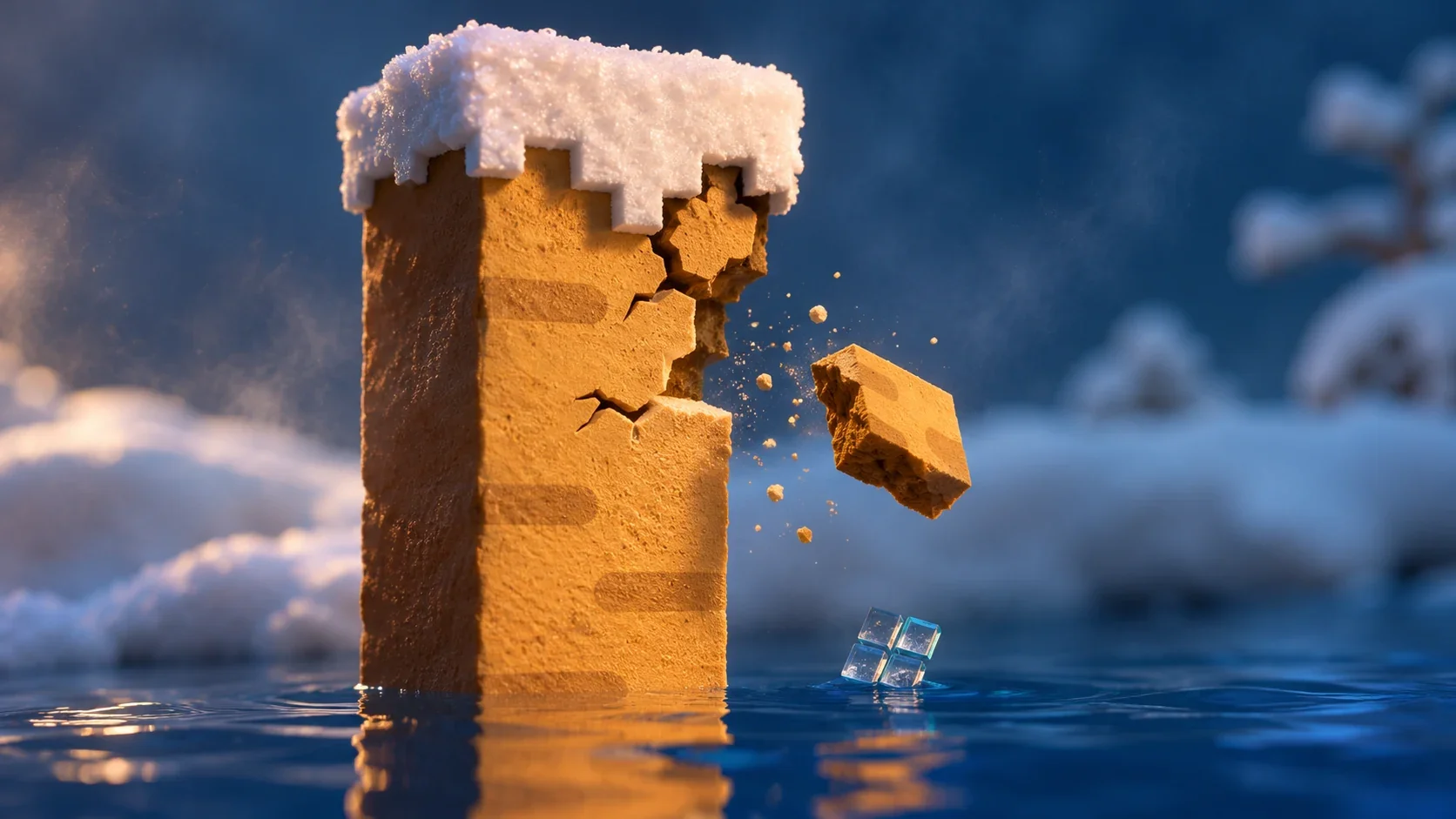
A bit of rock broke loose behind the bunny and the whole jump hitched. In a test run on a Pixel, 89 milliseconds passed between game frames just as the first chip came into view. On the second pass through the same stretch, the rock fell smoothly.
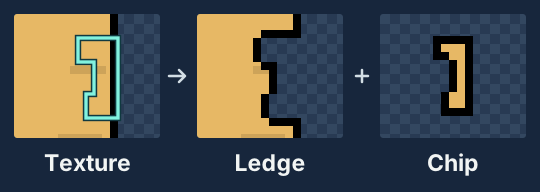
How the chip fits the notch
The side of a ledge starts as a rectangular image of dirt and stone. That image is its texture. A shader is a small program that runs on the graphics processor, or GPU. For the rock, a fragment shader reads the texture one spot at a time. If a crack runs through that spot, the shader darkens the color. If a piece has fallen away, it makes the spot transparent. You can see the few lines that read and tint a texture in Solar2D’s guide to fragment shaders.
The loose chip is a separate rectangle. Its shader uses the same jagged outline the other way around. It keeps the pixels inside the outline and reads them from the very spot on the ledge where the piece broke off. So when the chip tumbles, the pattern in the dirt goes with it.
Why only the first chip stuttered
Solar2D knows both effects by name at startup. Its renderer waits for the first draw that uses a shader to ask the graphics driver to compile it into instructions for that GPU. Drawing the ledge got its shader ready. The chip’s shader sat unused until a piece fell. The phone trace caught the compiler at work during that long frame.
I tried two versions of the same jump. Both drew a tiny patch of rock on an offscreen canvas before the run began. One drew the plain texture. The other used the chip shader. With the shader on the canvas, the compiler showed up in the trace before the jump. When the first chip came loose, the pause was gone.
Bunny Hop now makes that offscreen draw during setup. On Android it repeats the warmup when you come back to the game, once the graphics reload. The canvas gives the driver something to draw. Simply marking a chip invisible would let the renderer skip it.
What changed on Android TV
The Pixel in that test used a PowerVR graphics processor. Mali is a family of GPUs that Arm designs for phones and TVs. MediaTek puts one in its Pentonic smart TV chip. The same shader source goes through a different compiler on that hardware.
A separate Android TV report caught Bunny Hop hanging as the game came back on screen. Android’s main thread, which handles things like a press of the remote, was waiting for the rendering thread to finish with the old drawing surface. The rendering thread was inside the Mali shader compiler. The trace didn’t identify the shader. Warming up the rock on that TV would still mean asking the same driver to compile it during setup.
Bunny Hop now skips the optional rock shaders when Android reports a Mali GPU. A sequence of images called sprites shows the cracks spreading instead. Look below the waterline and you can spot another difference. Normally a vertex shader shifts points along the sides of a submerged ledge to make them look wavy. On Mali the sides stay straight, and the water still ripples around them. The Android graphics release notes show what else changes, including the combo trail.
Whichever version you see when you play Bunny Hop, the first crack is still your cue to jump.